Exhibition rooms
Exhibition rooms/
Temporary


Where History Meets Art
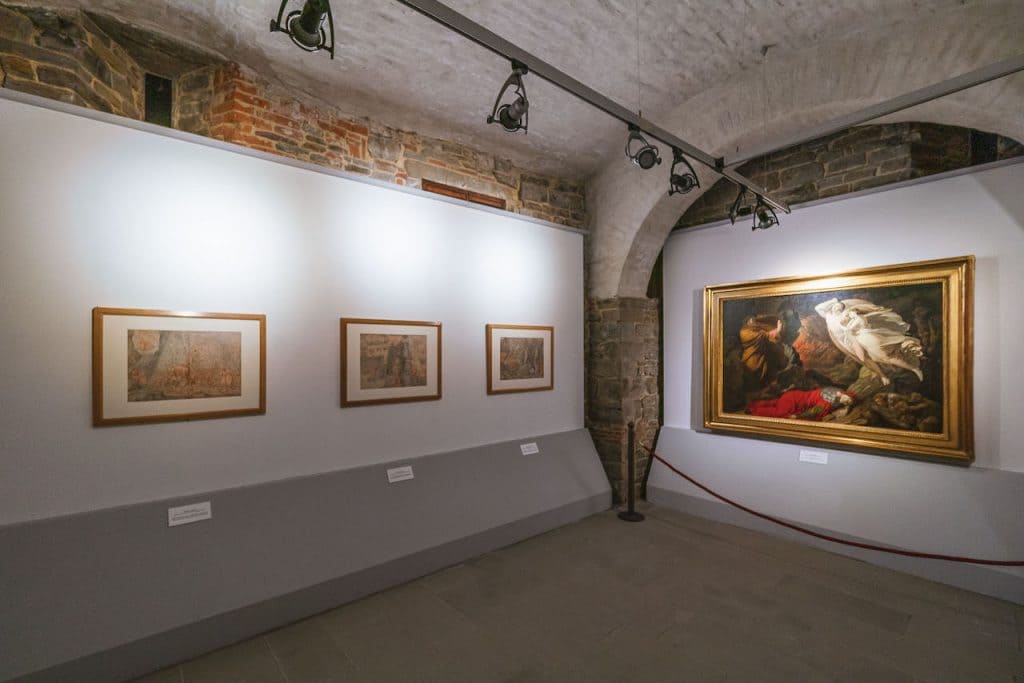
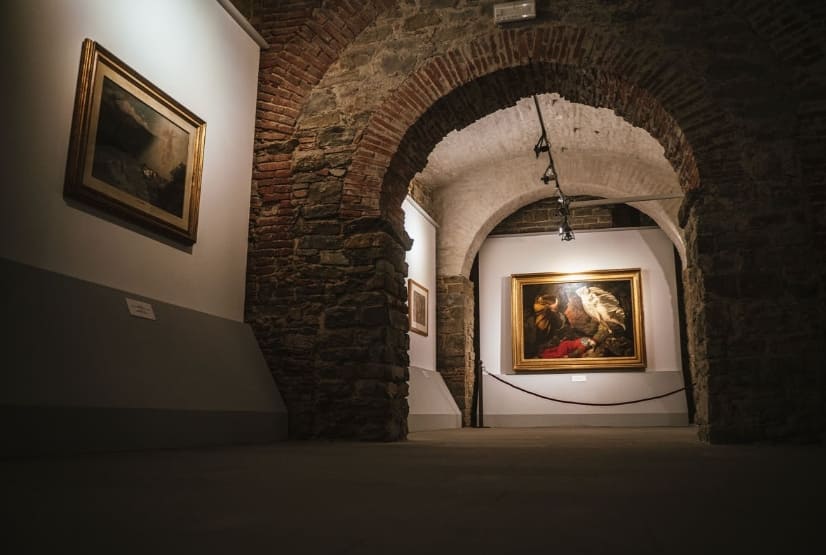
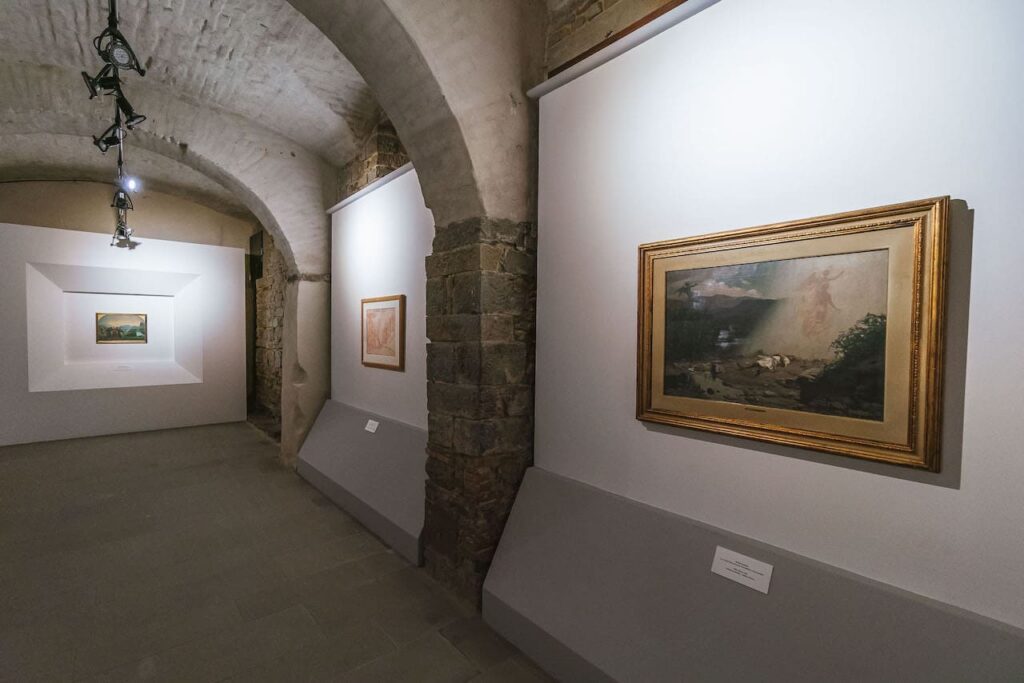
On the ground floor of the Castle of the Guidi Counts, on either side of the inner courtyard, the past enters into dialogue with the present. In spaces that were once the castle’s armoury and stables, our Exhibition Halls now come to life. Once the centre of the castle’s military life, these same stone walls now host exhibitions and cultural itineraries, offering a timeless setting for every display.
/Exhibition rooms/
Permanent
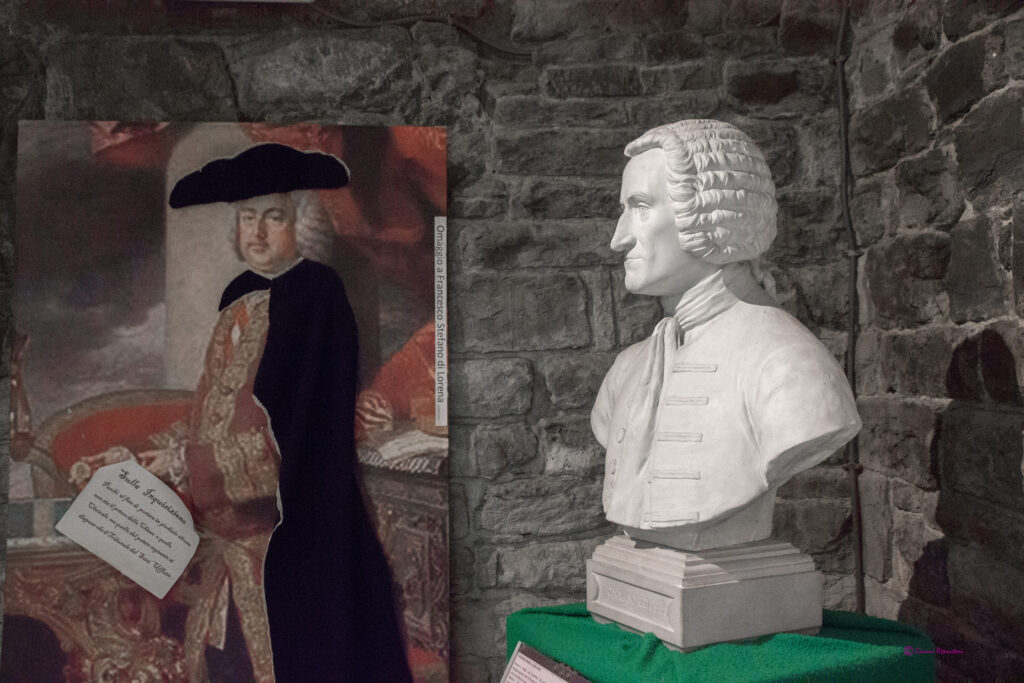
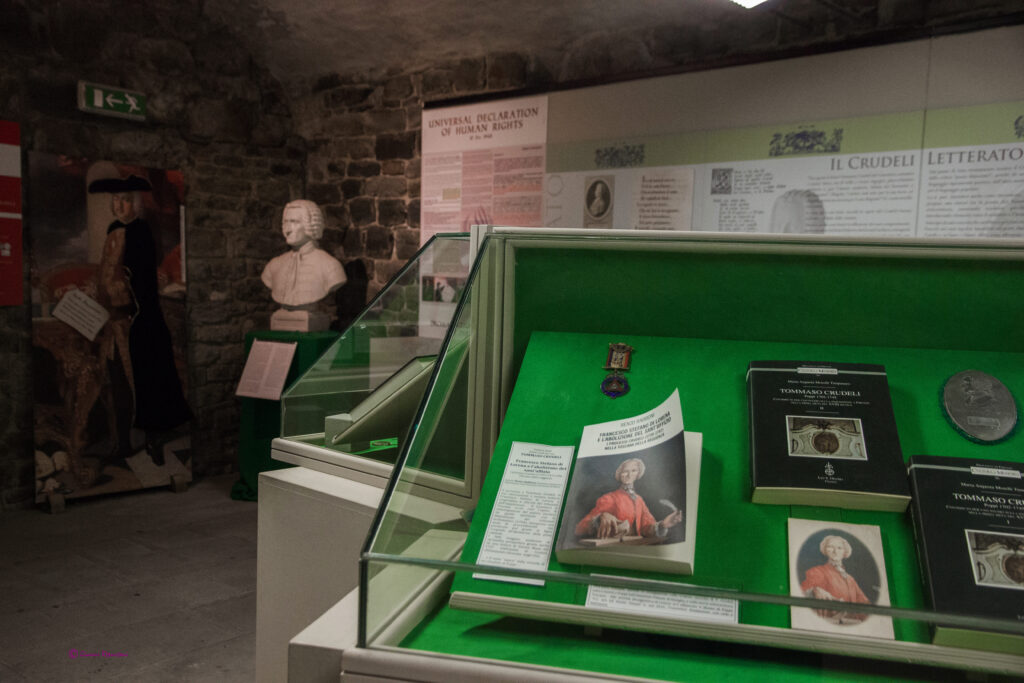
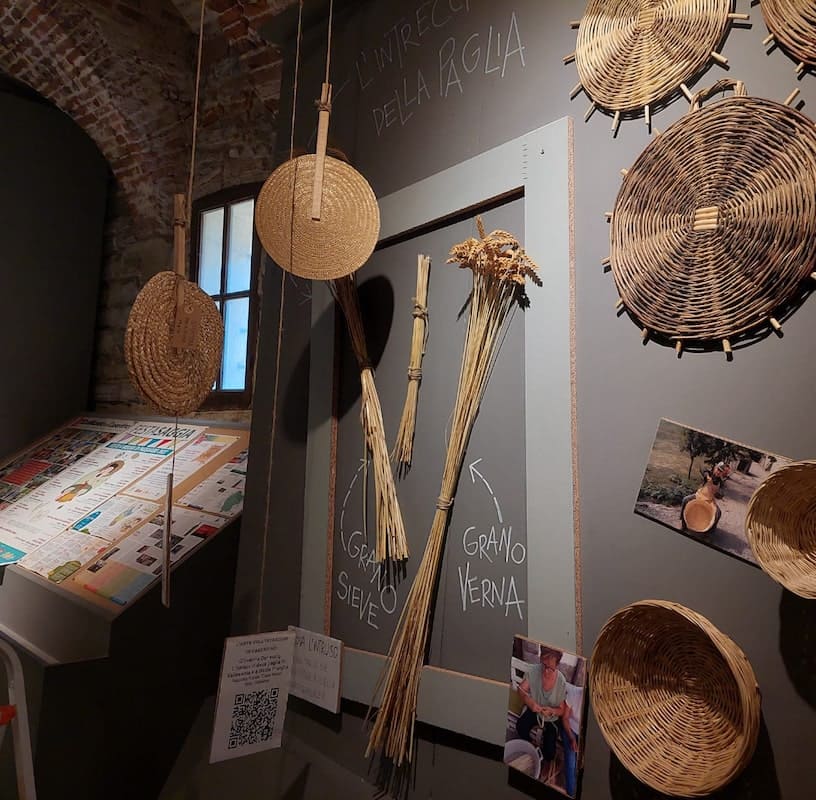
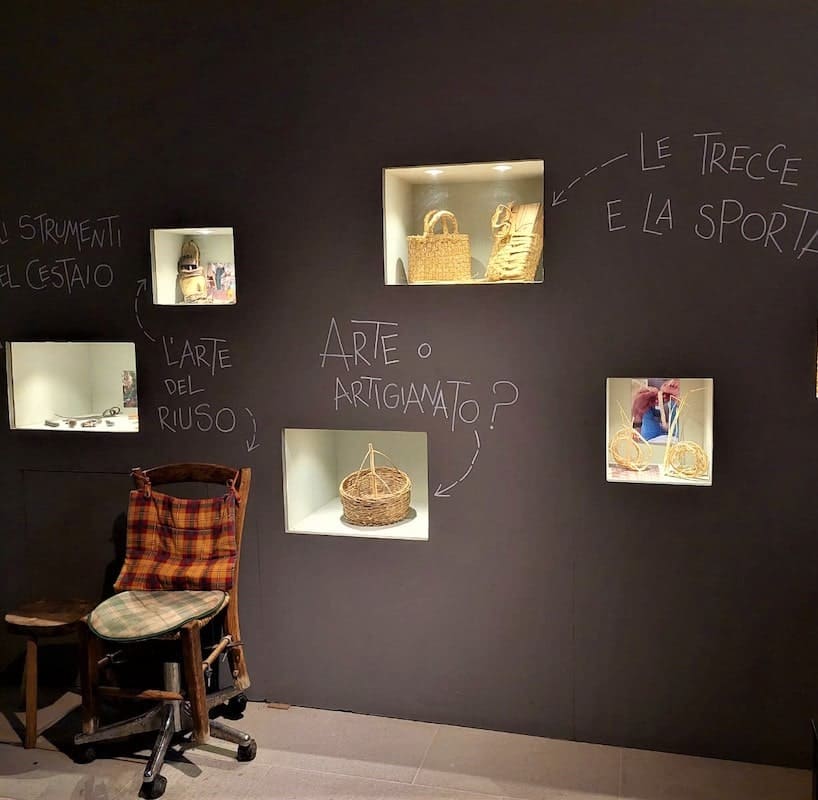
Inside the evocative halls that once housed the Castle’s storerooms, the memory of the territory and civic commitment come together, thanks to the Exhibition Centre of the Ecomuseum of Casentino and the Tommaso Crudeli Article 12 Human Rights Museum.


The Casentino Ecomuseum:
Gateway to the Territory
Located on the ground floor, the Central Information Point is the gateway to the treasures of Casentino. Here visitors can find:
- Materials and Publications: Guides and in-depth resources on the Ecomuseum network.
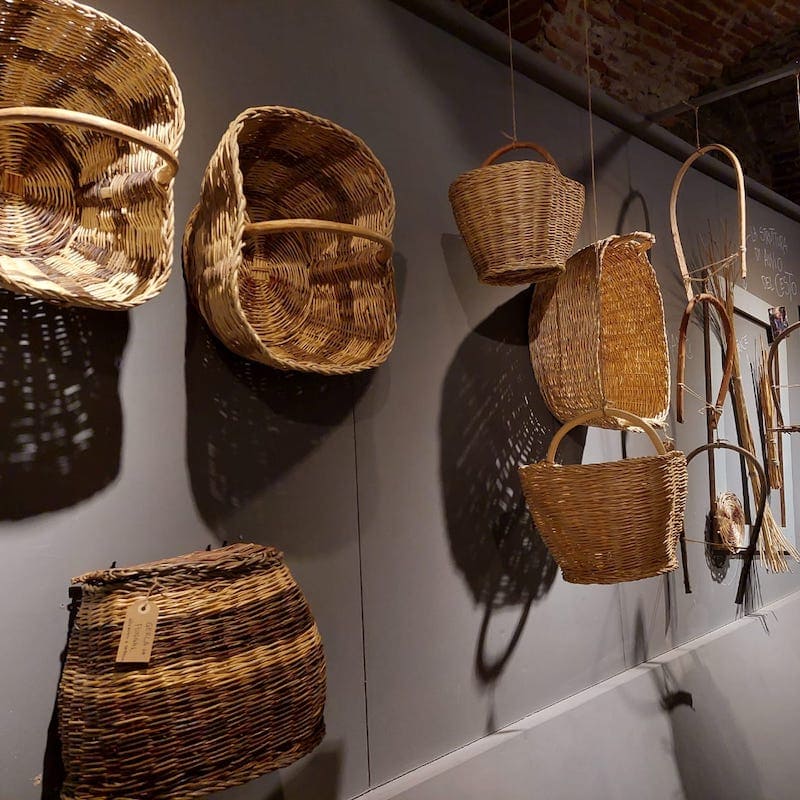
- Temporary Exhibitions: A dynamic space dedicated to small artistic and documentary exhibitions that change throughout the year.


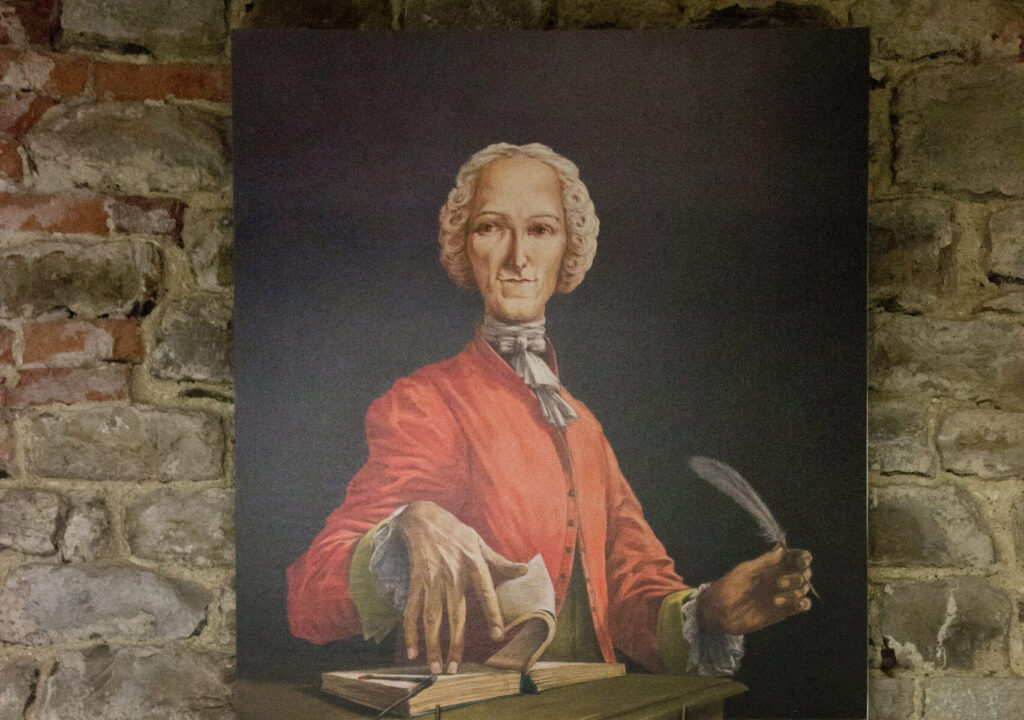
Tommaso Crudeli:
The Human Rights Museum
Directly accessible from the Ecomuseum Information Centre, this museum offers a moving journey into the roots of modern thought.
A Martyr of Free Thought
Curated with passion by the high school students of Poppi, the exhibition retraces the human and political story of Tommaso Crudeli, a victim of obscurantism and a symbol of freedom of conscience.
The museum does not look only to the past, but builds a direct bridge with the present. The entire exhibition is presented in two languages and constantly connects local historical events with the Universal Declaration of Human Rights.
Special emphasis is placed on Article 18, dedicated to freedom of thought, conscience and expression: a precious legacy that Tommaso Crudeli helped shape through his sacrifice.
The Historic Prisons
The castle’s prisons are located at the base of the tall tower and are arranged across several levels, including a particularly narrow and dark underground area.
Originally, they could only be accessed through a trapdoor through which prisoners were lowered. In the 17th century, an access door and a small window were opened, making the space brighter and better ventilated.